I didn’t set out to build a “perfect” PC.
There was no master plan, no parts list spreadsheet, no budget strategy. It started the way a lot of hobbies do—randomly, a little messy, and with whatever I could get my hands on.
Back in 2015, I was a sophomore in college, and my first build wasn’t really a build at all. It was more like a collection of parts that somehow worked together. A dual-core i3 processor, a stock cooler, all stuffed inside a reused Dell OptiPlex case. Nothing flashy, nothing powerful—but it was mine.
Most of those parts came from places you wouldn’t expect. Junkyards, garage sales, random finds around North Philadelphia. If you’re willing to look, you’d be surprised how much usable tech people throw away. At the time, it felt like a treasure hunt. Every working component we found felt like a win.
That machine ran Ubuntu and handled the basics—file storage, browsing, coding. It wasn’t built for performance, but it didn’t need to be. It was just enough to get me hooked on the idea that I could keep improving it.
And that’s exactly what I started doing.
Over the next year, small upgrades began to stack up. A better processor—a Core i5 this time. More RAM. Extra storage. Nothing major on its own, but collectively, it started to feel like a real machine instead of something thrown together.
Then I got my first job, and for the first time, I had the ability to invest in it properly.

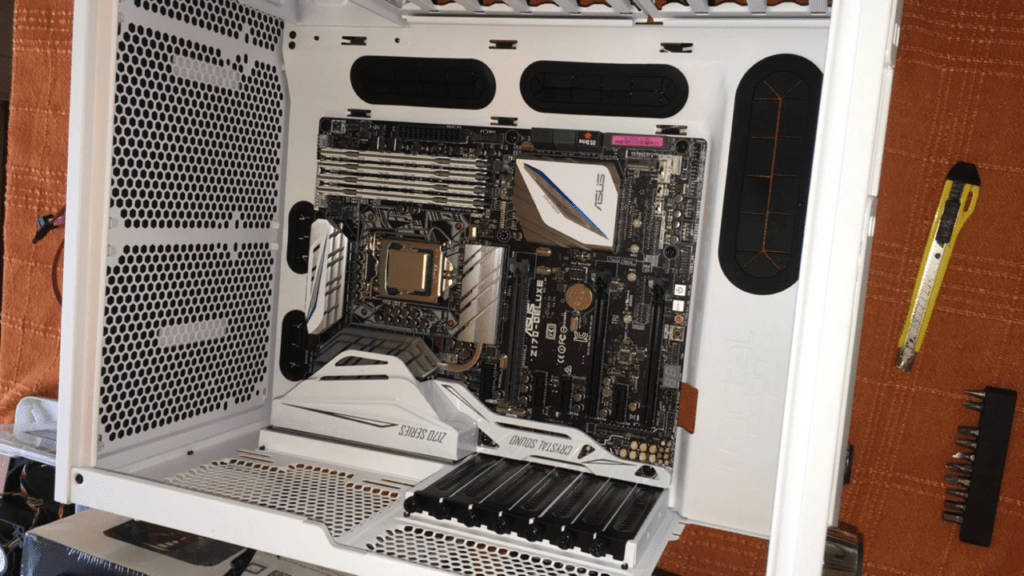
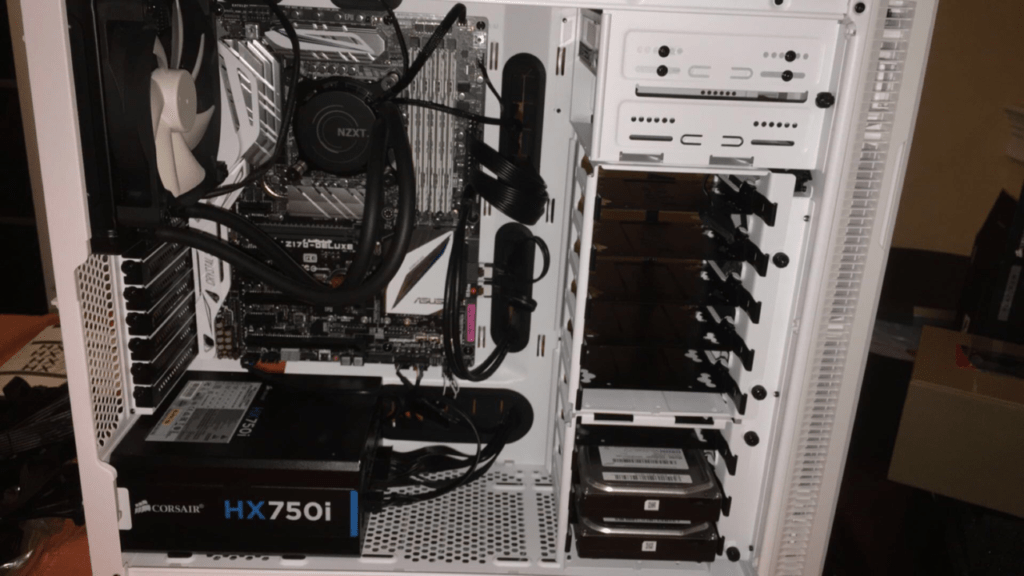
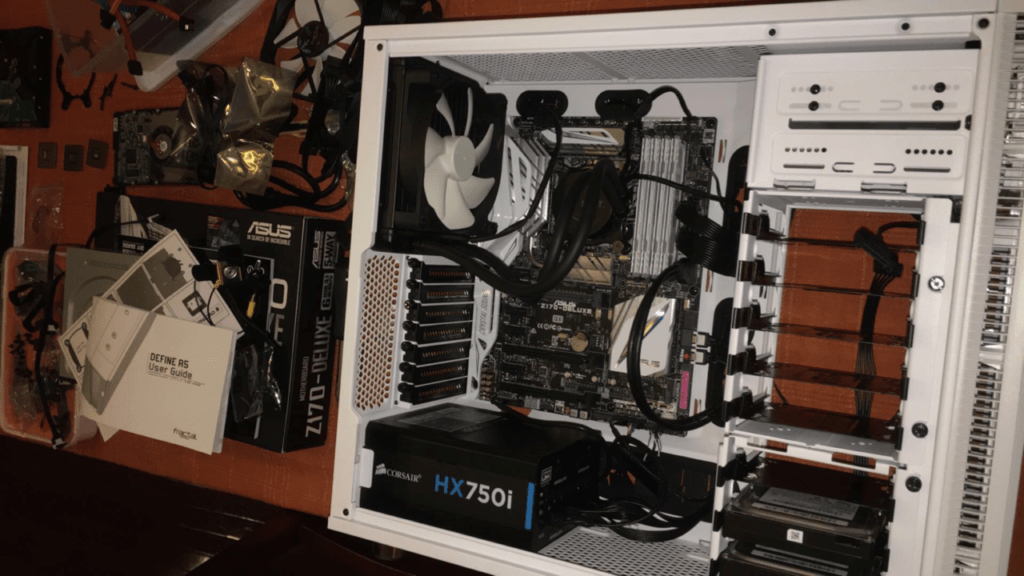
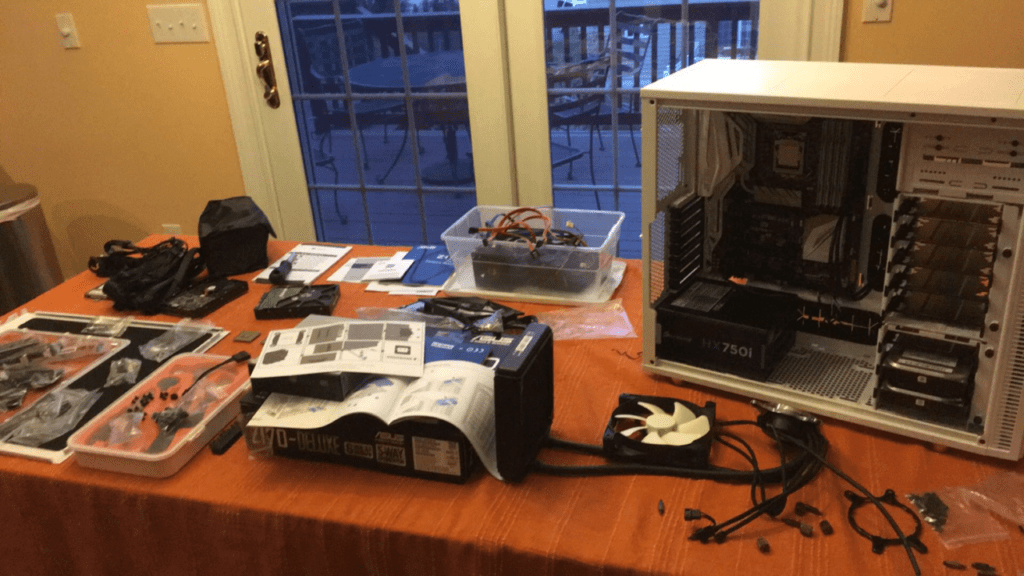
The first purchase was a proper case—something that didn’t feel like a recycled office PC. From there, I started treating the build differently. Between 2015 and 2016, I did everything I could to turn it into a legitimate workstation. Swapping parts, reorganizing components, experimenting with cooling—I was constantly in it, tweaking something.
Looking back at photos from that time, it’s clear I was figuring things out as I went. The cable management was rough. The layout wasn’t exactly clean. But that was part of it. You don’t get good at building PCs by getting it right the first time—you get good by trying, failing, and opening the case again.
The biggest mistake I made during that period was waiting on a GPU.
At the time, it felt like the responsible decision. I told myself I’d get one later when it made more financial sense. Then cryptocurrency took off, and GPU prices followed. Overnight, what was supposed to be a reasonable upgrade became something completely out of reach.
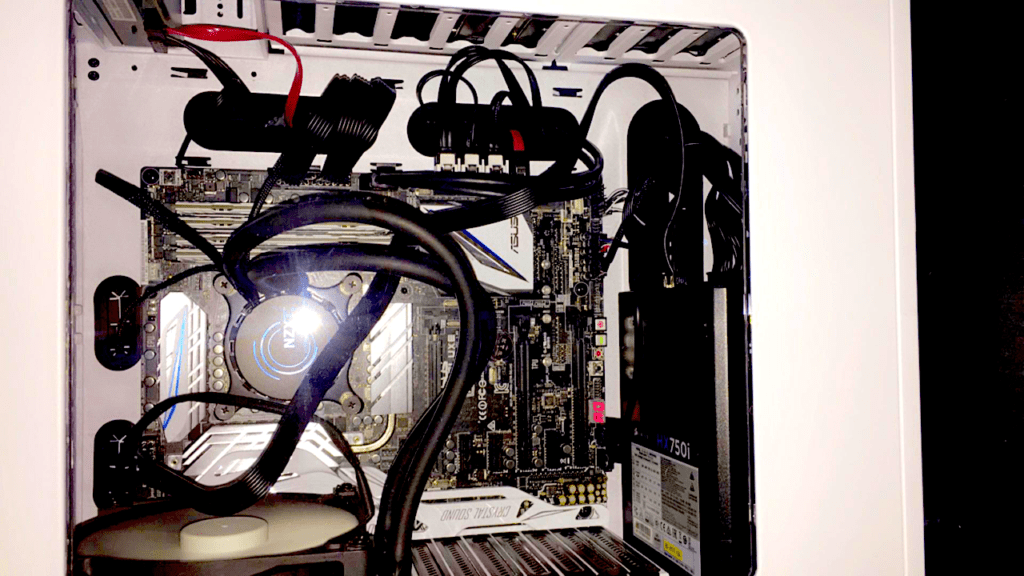
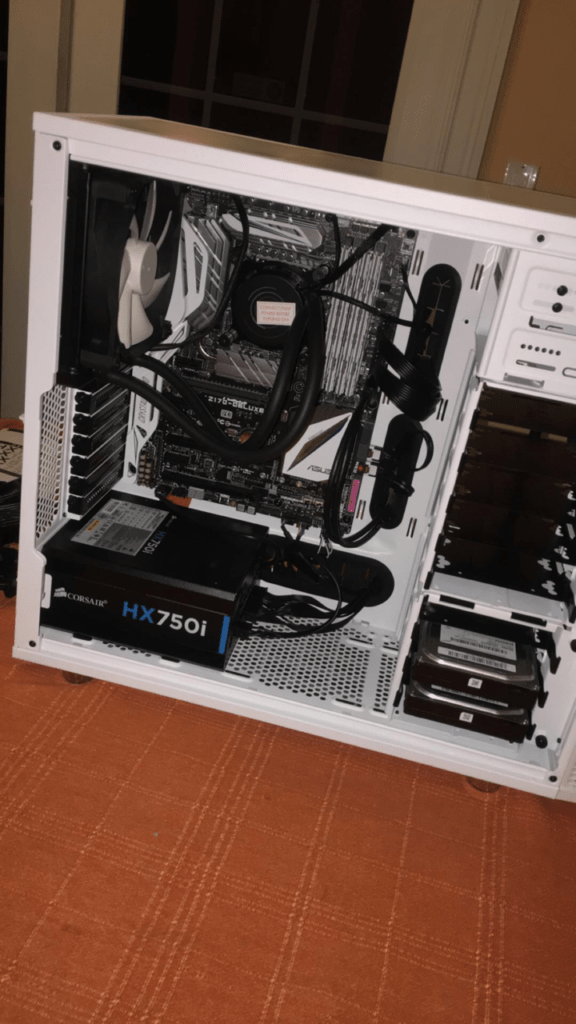
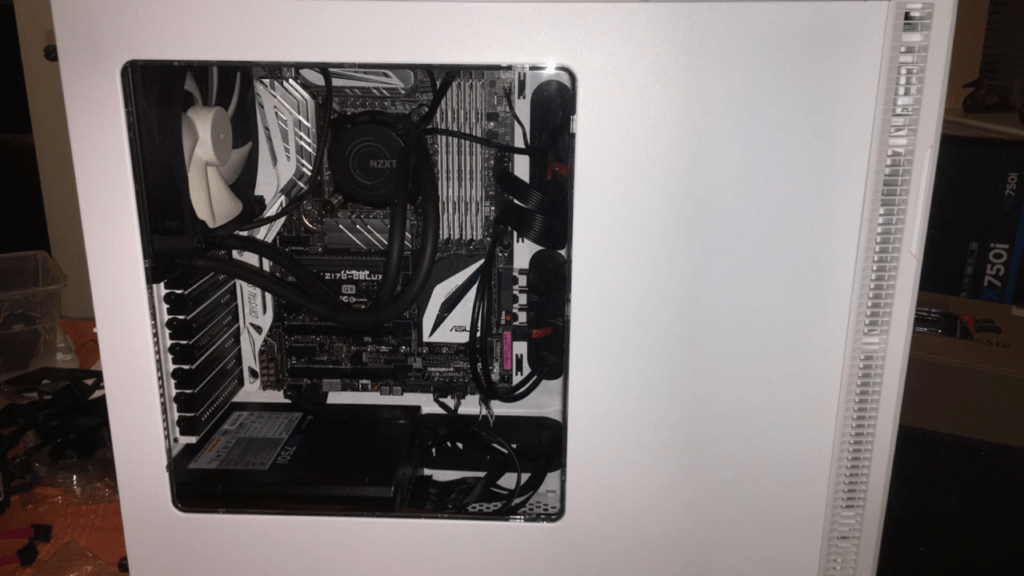
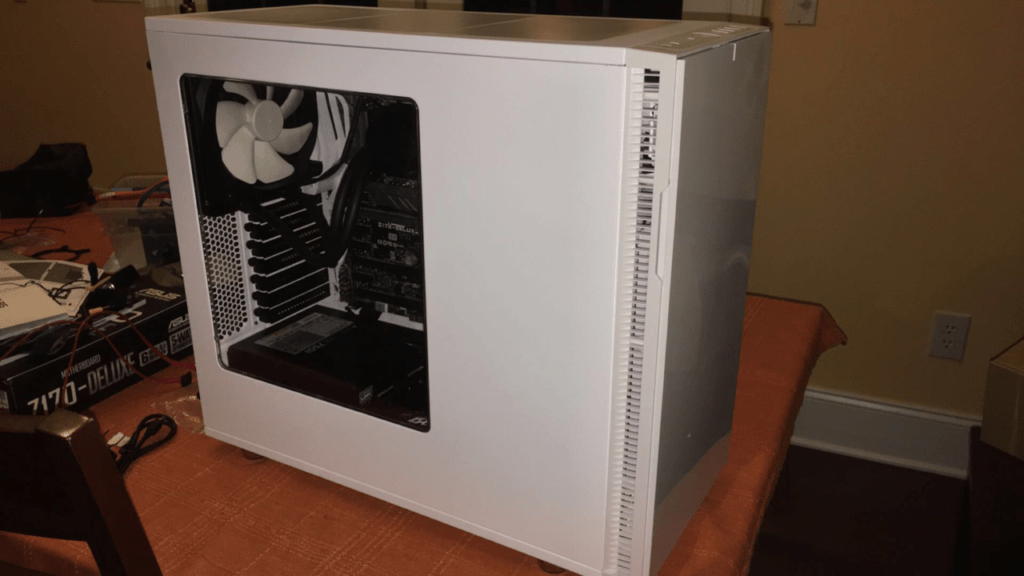
So I sat there with a machine that was powerful on paper, but couldn’t do the one thing I really wanted—run modern games.
There were plenty of moments where I almost gave in and bought something mid-tier just to be done with it. But I held off. Part of it was stubbornness, but part of it was knowing that if I waited, I could do it right.
That moment finally came when Nvidia released the RTX series.
When I first saw what ray tracing could do, I knew that was the line. That was the point where I stopped waiting and committed. It took about four years from when I first started building to finally pull the trigger, but I ended up with an RTX 2070 Super and paired it with a 4K LG monitor.
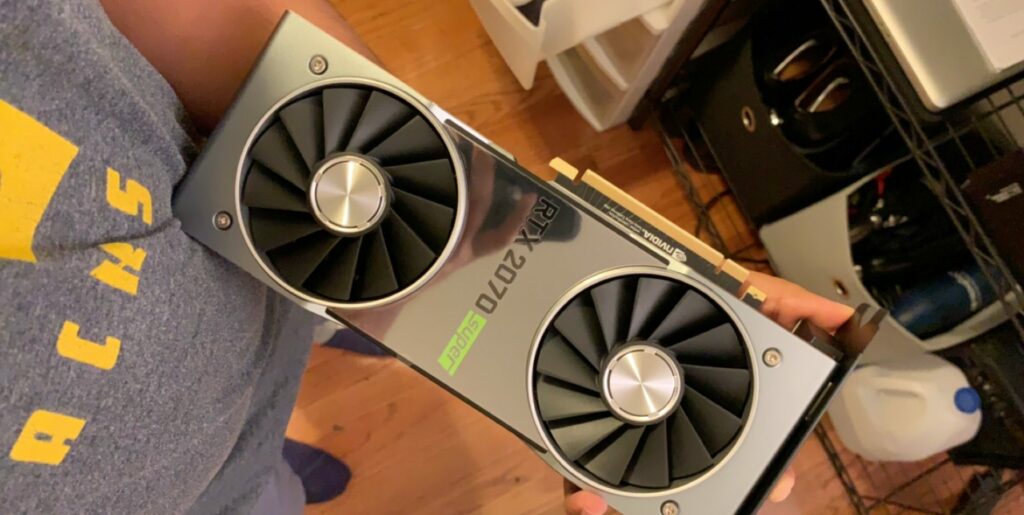
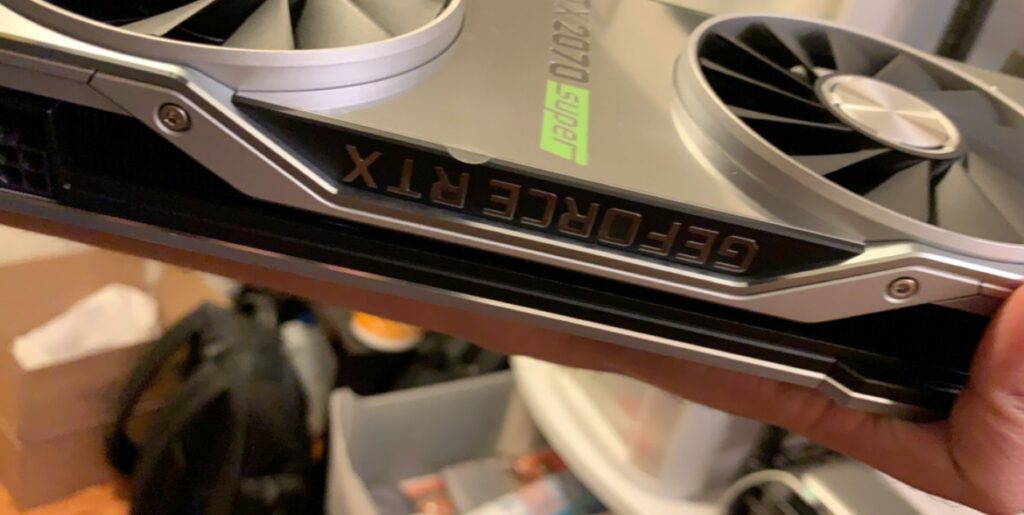
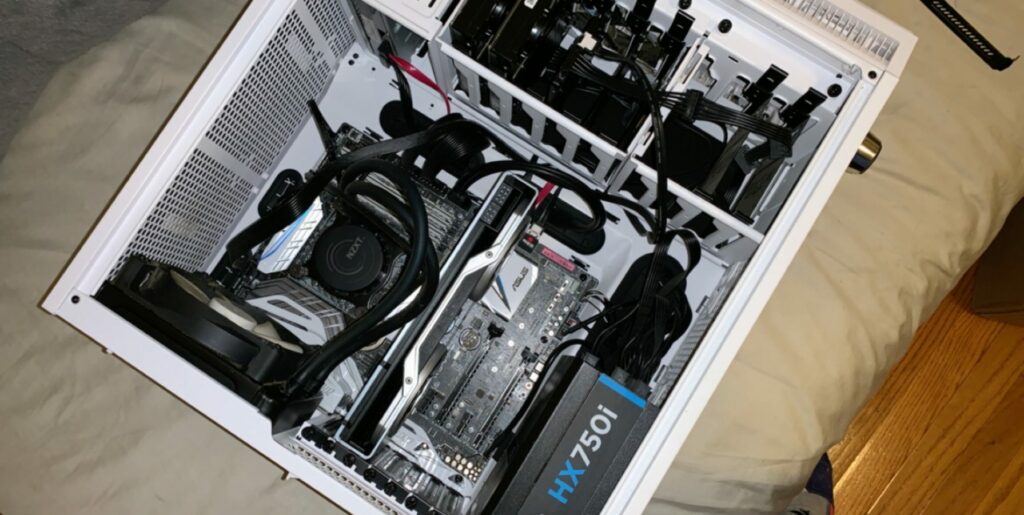
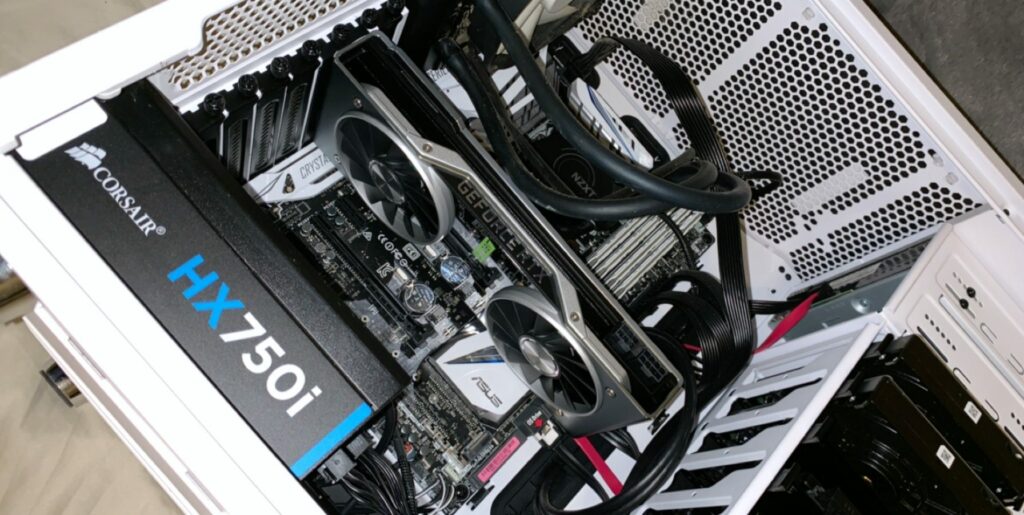
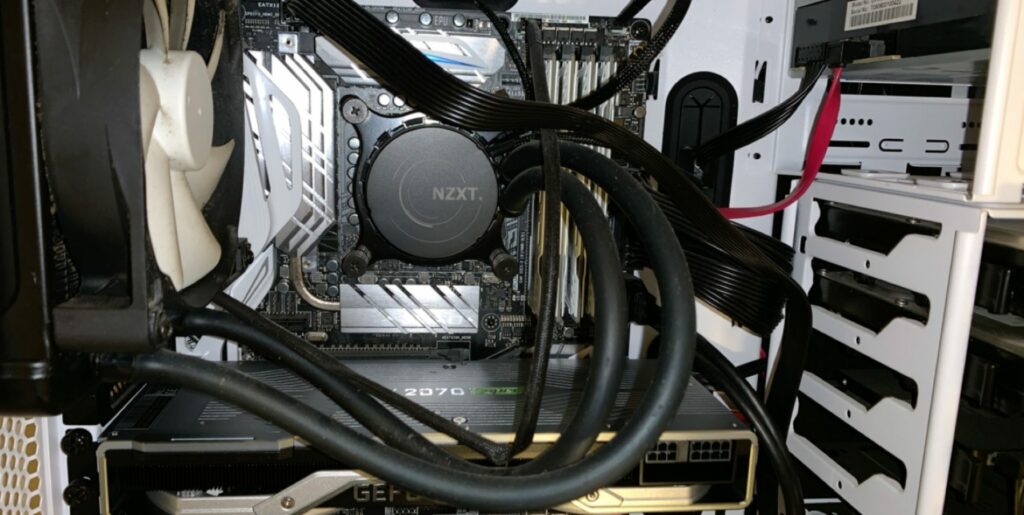
I still remember holding the card for the first time. It felt massive compared to everything else I had worked with before. Sliding it into the PCIe slot, realizing it took up two slots by itself—it was one of those small moments that makes you appreciate how far you’ve come from that original setup.
And just like that, the build finally felt complete.
Now, it’s a completely different machine. Not just in terms of performance, but in what it represents. It handles everything I throw at it—work, gaming, managing servers, even just day-to-day browsing. It’s become part of my routine. There have been mornings where I’m eating breakfast at my desk, checking AWS dashboards, then switching over to unwind later with a game—all on something I built myself.
That’s the part people don’t always understand about building your own PC. It’s not just about saving money or getting better specs. It’s about the connection you have with it. You know every component, every upgrade, every mistake along the way.
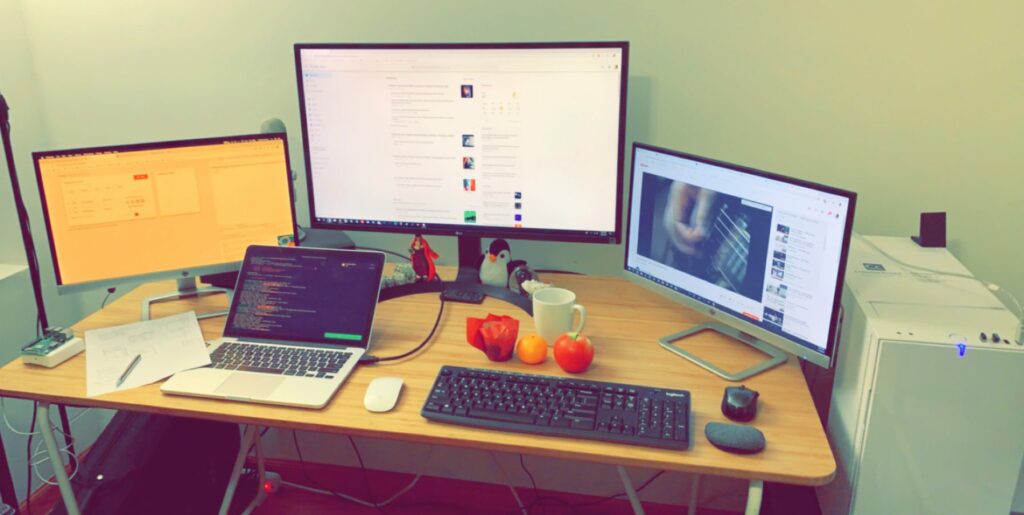
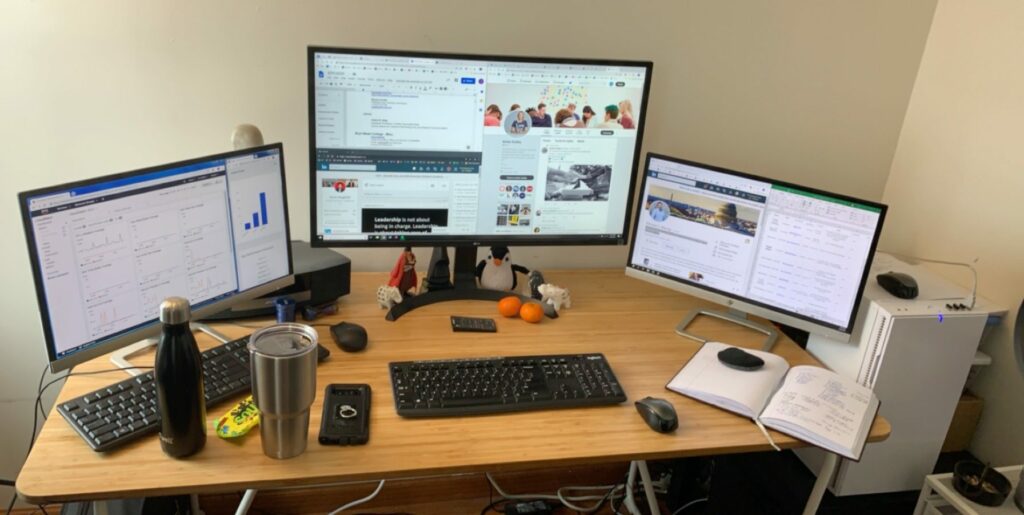
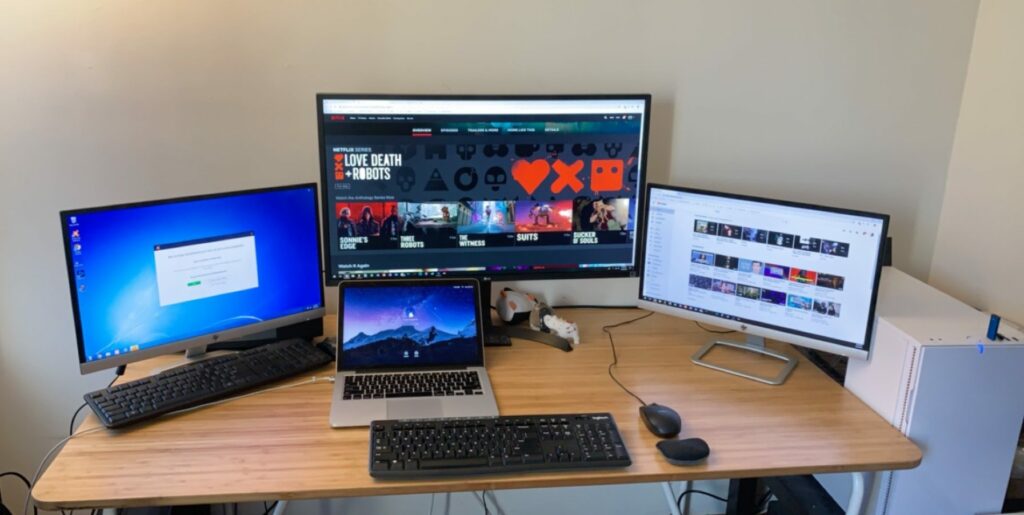

In total, I spent around $1,300 putting everything together over time. When you look at comparable prebuilt systems, you’re easily looking at double that—sometimes more—and that doesn’t even include the monitor or peripherals. The value is there, no question.
But more than that, it’s the process.
Even now, I’m not done with it. I’m already thinking about improving the cable management, upgrading the power supply, maybe even attempting a custom water loop down the line. The project never really ends—you just keep building on it.
What started as a side project with scrap parts turned into something I use every single day.
And if I’m being honest, I wouldn’t want it any other way.
Parts used in this PC build
- Intel Core i7-6700K 4 GHz Quad-Core Processor
- NZXT Kraken X31 69.5 CFM Liquid CPU Cooler
- Asus Z170-DELUXE ATX LGA1151 Motherboard
- Crucial Ballistix Sport LT 64 GB (4 x 16 GB) DDR4-3000 Memory
- Kingston A400 480 GB 2.5″ Solid State Drive
- NVIDIA GeForce RTX 2070 SUPER 8 GB Video Card
- Fractal Design Define R5 (White) ATX Mid Tower Case
- Corsair HX Platinum 750 W 80+ Platinum Certified Fully Modular ATX Power Supply
- Microsoft Windows 10 Home OEM 64-bit
- LG 34UC88 34.0″ 3440×1440 60 Hz Monitor