I turned 21 somewhere over the Pacific, somewhere between the version of myself that had never left the country and the one about to land in Tokyo.
It felt like the right way to do it. No big party, no bar crawl—just dropping myself into a completely different world and seeing what happens.
My mom and I had booked the trip late in December, and I don’t think either of us fully understood what we were walking into. You think you’re prepared—you’ve seen videos, maybe picked up a phrase or two—but nothing really compares to the moment you step off a plane and realize you can’t read anything around you.
Every sign. Every announcement. Every direction. Completely in Japanese.

It hit instantly.
I remember standing there, looking at signs I couldn’t decipher, thinking, Okay… this is real now.
Getting out of the airport was our first challenge. At the time, it felt overwhelming. Looking back, it was probably one of the most exciting parts of the trip. There’s something about being completely out of your element that wakes you up in a way nothing else does. You’re paying attention to everything because you have to.
We eventually found a woman who spoke just enough English to help us. She ended up buying our train tickets for us, which in hindsight might have been the most important assist of the trip.
From that moment on, though, everything got easier.
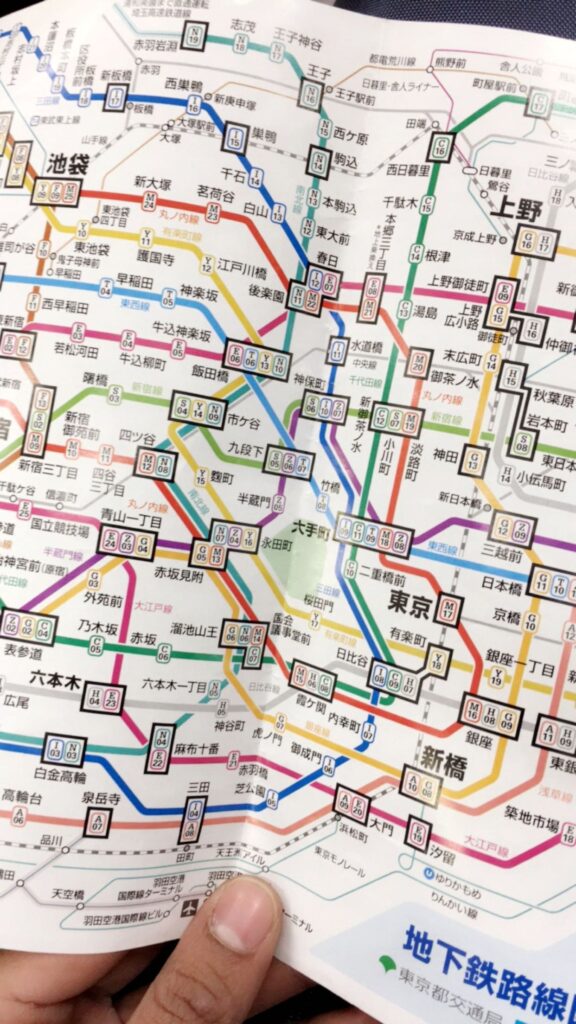
Tokyo’s transit system is honestly one of the most impressive things I’ve experienced. Even without speaking the language, we were able to navigate everywhere just by following the colored lines. The subway wasn’t just underground—those same color-coded guides carried onto the sidewalks and streets above. It sounds simple, but it works incredibly well. You don’t need to understand the words when the system itself is that intuitive.
It made me think of cities like New York or Los Angeles and how transformative something like that would be back home.
By the time we made it to the hotel, the initial shock had worn off, and reality started to settle in—we were actually in Tokyo. And like most travelers, our first real mission was simple: find food.
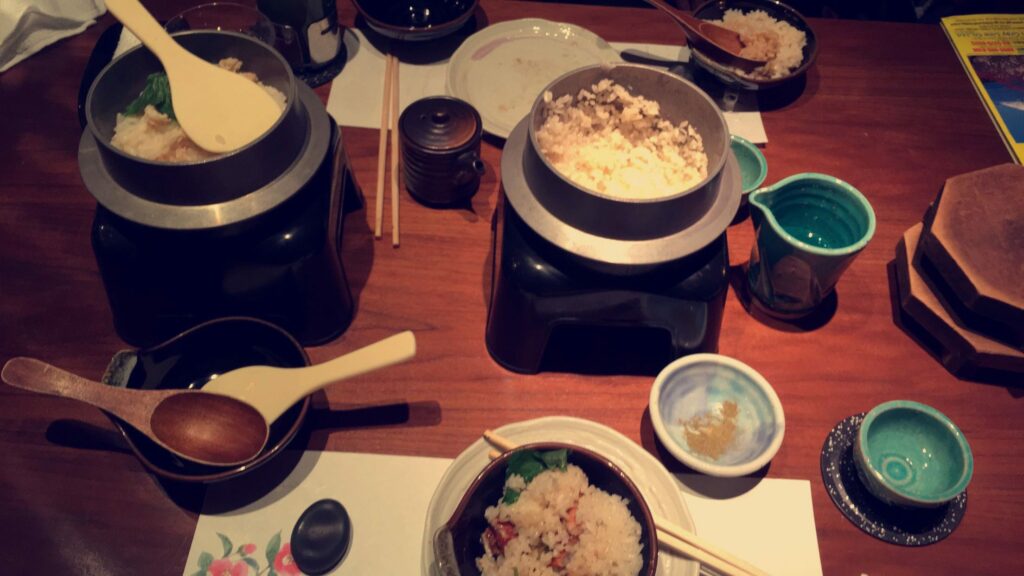
The food in Japan wasn’t what I expected, at least not in the way I had imagined it. Sushi wasn’t everywhere like I thought it would be. Instead, most meals centered around rice, broth, noodles—simple, filling, and really well done. I ended up trying a lot of things I wouldn’t normally go for, including organ meats like heart and kidney. I won’t pretend those were my favorite, but when you’re hungry and everything is new, you lean into the experience.
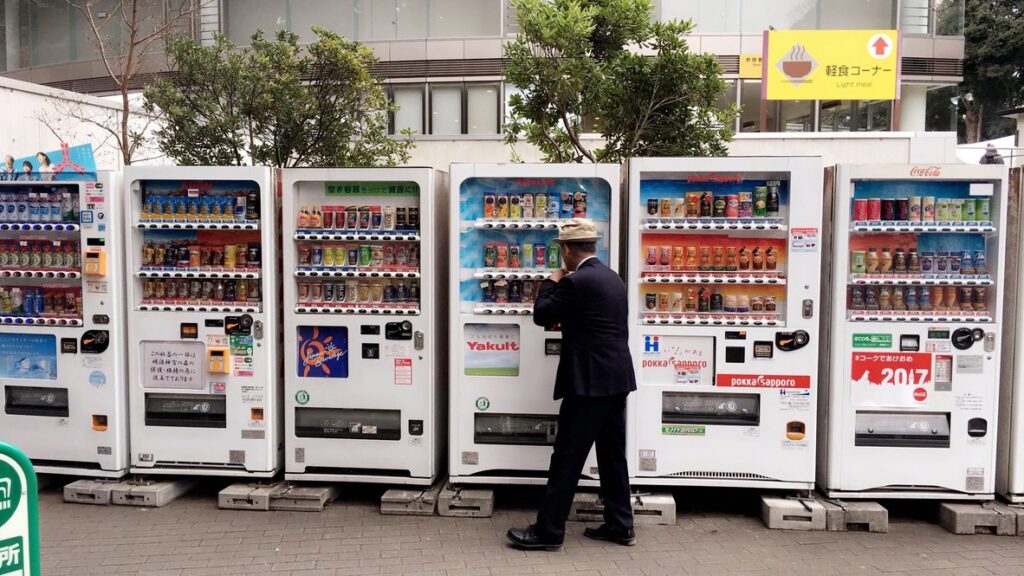
What surprised me most wasn’t the restaurants though—it was the vending machines.
They’re everywhere. And they don’t just sell drinks. You’ll find full meals, snacks, random toys, things you didn’t even know existed. It becomes part of the experience. You stop seeing them as machines and start seeing them as part of the culture.
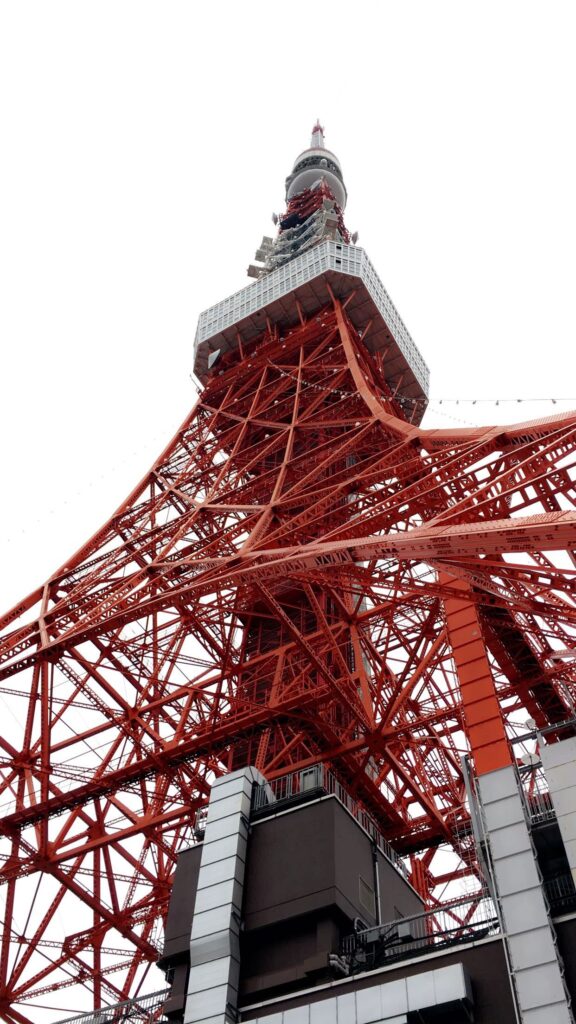
The next day we started exploring properly, and Tokyo Tower was one of our first stops. It’s one of those landmarks you’ve seen in photos, but it’s different when you’re actually standing there looking up at it. It sits in the skyline like it belongs, both functional and iconic at the same time.
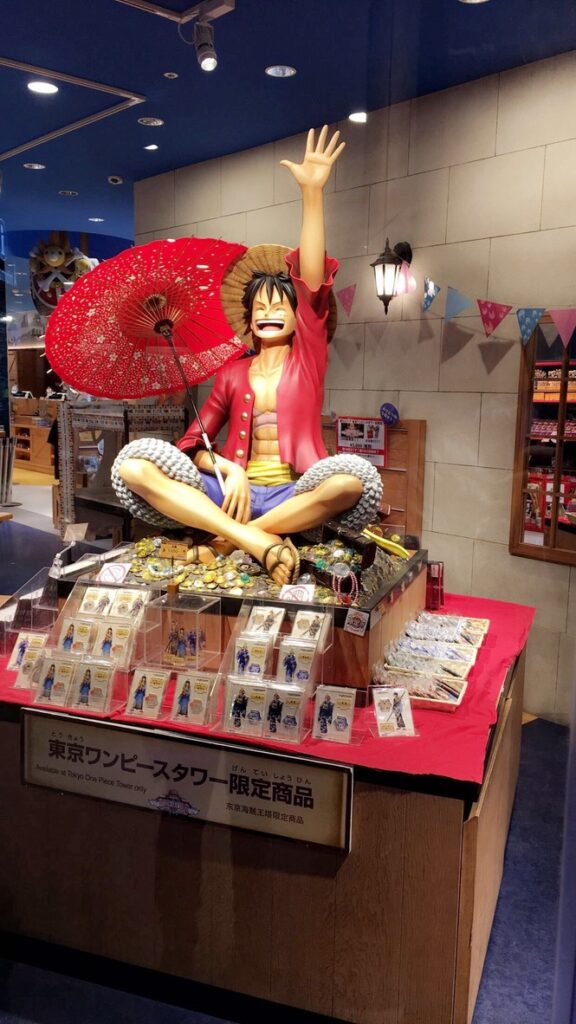
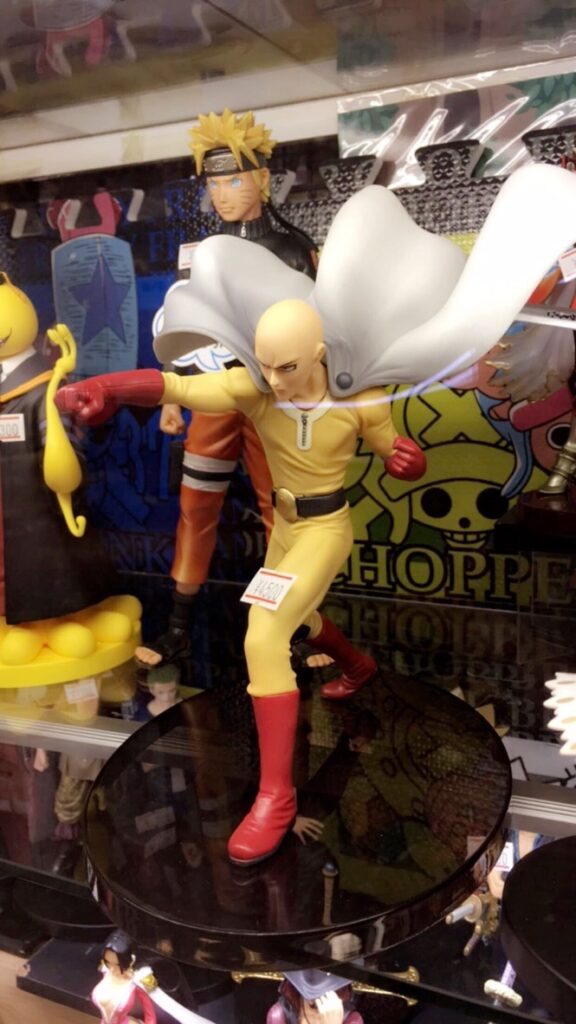
Down below, there were shops packed with anime figures and collectibles. That’s when it really clicked for me how embedded pop culture is in daily life there. I ended up buying a few pieces from shows I grew up watching—it felt like the right place to do it.
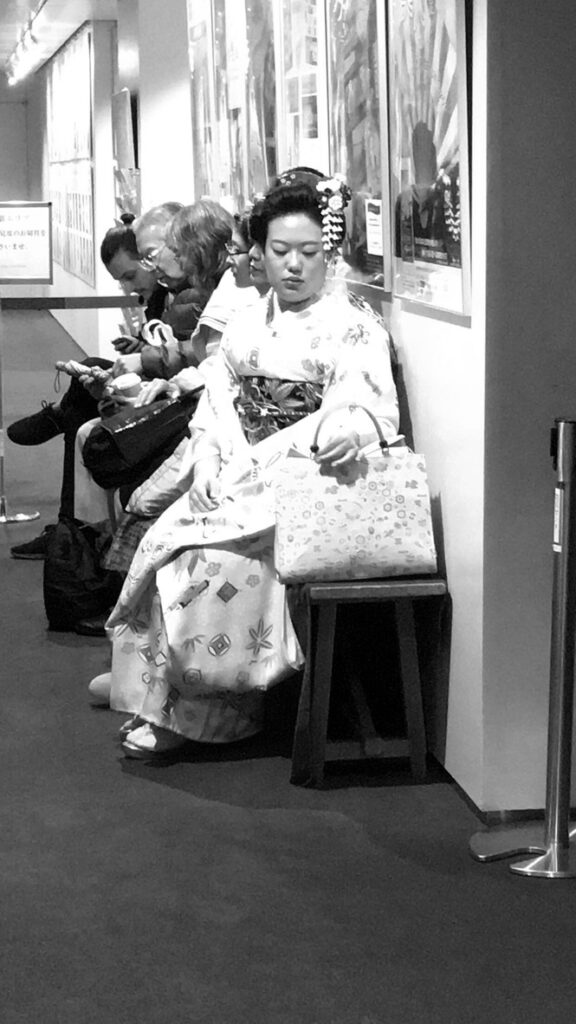
As we left the area, I started noticing groups of people dressed in incredibly formal, traditional clothing. At first, I thought it was a performance or something staged for tourists, but then we found out it was Coming of Age Day. It’s a national holiday in Japan celebrating those who have just reached adulthood.
Standing there, freshly 21 myself, watching people on the other side of the world celebrate the same milestone in a completely different way—it was one of those moments that sticks with you. I managed to take a photo, but for whatever reason I saved it in black and white. One of those small regrets you don’t notice until later.
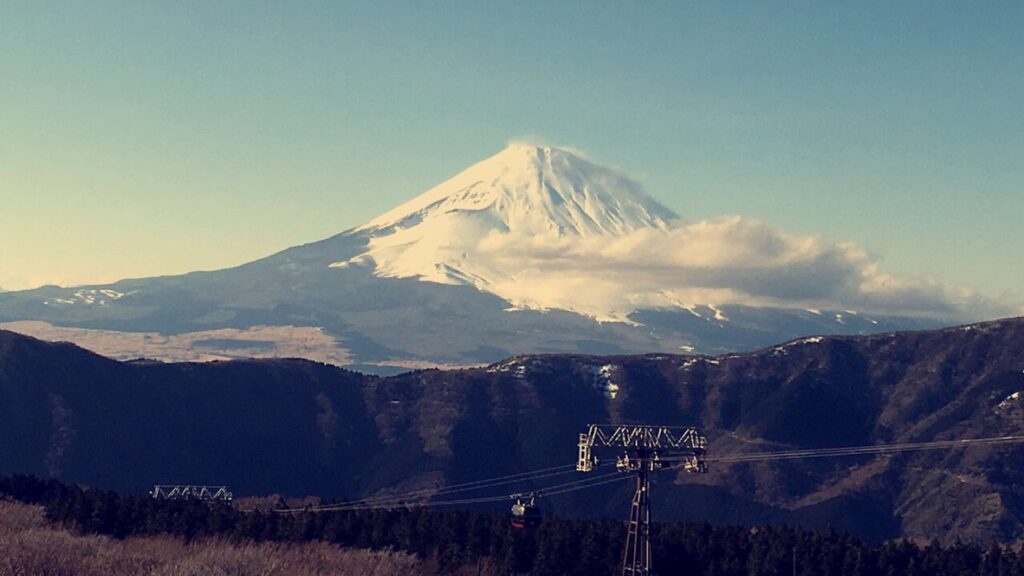
A few days into the trip, we made our way out to Mount Fuji, which had been high on my list from the beginning. The journey itself was part of the experience—long stretches of scenery that make you realize how much there is outside the city.
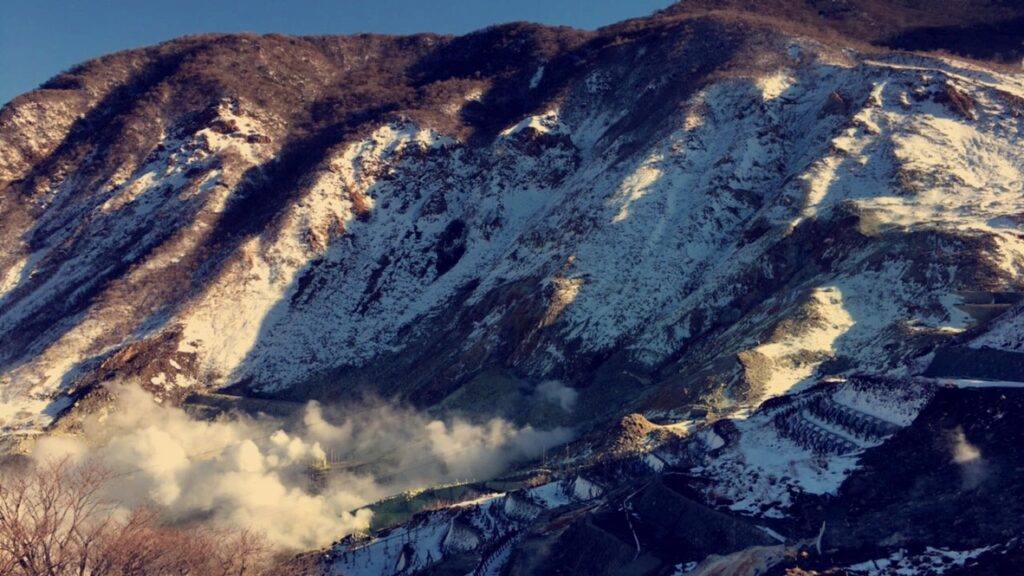
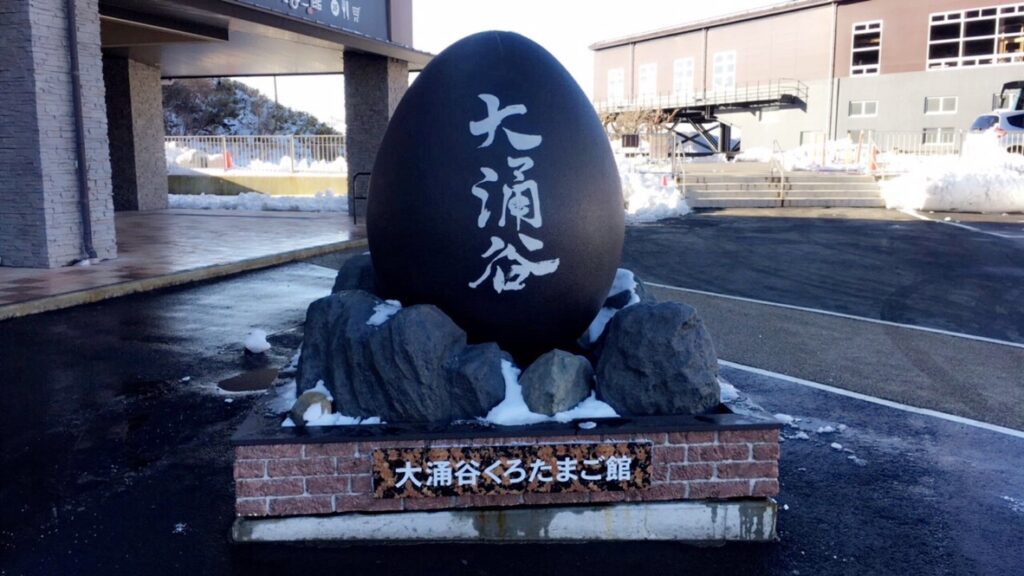
When we got closer, we visited the sulfur springs nearby. The air shifts immediately—you can smell it before you even see anything. That’s also where I first saw the famous black “century eggs,” which get their color from the sulfur.
We couldn’t hike much because of the snow, but even from a distance, Fuji has this presence. It doesn’t need you to get close. It just sits there, massive and still, and that’s enough.
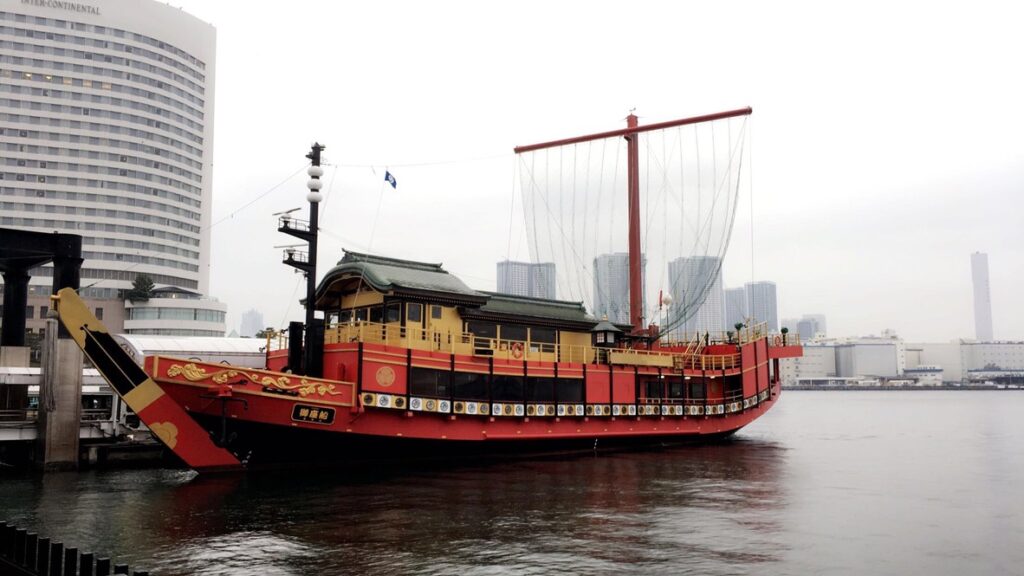
Instead, we took a boat ride that gave us different angles of the mountain. It ended up being one of the more relaxing parts of the trip. After that, we took the bullet train back.
And that was its own experience.
You know you’re moving fast, but at night, you can’t really see it. Everything outside is just black. You feel it more than you see it. The only thing I wish is that I had taken it during the day to really take it all in. Still, the fact that it turned hours of travel into what felt like half an hour was impressive on its own.
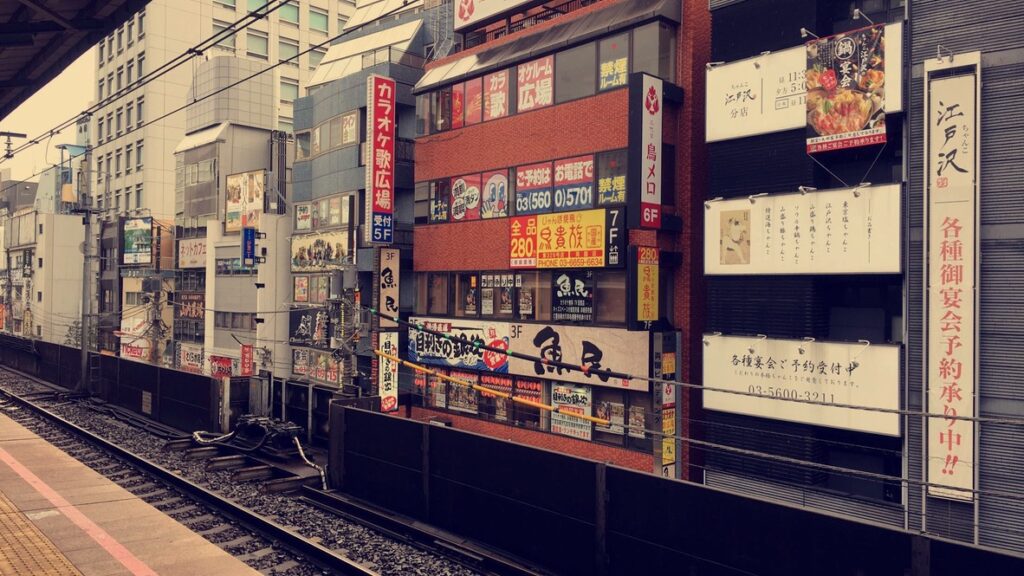
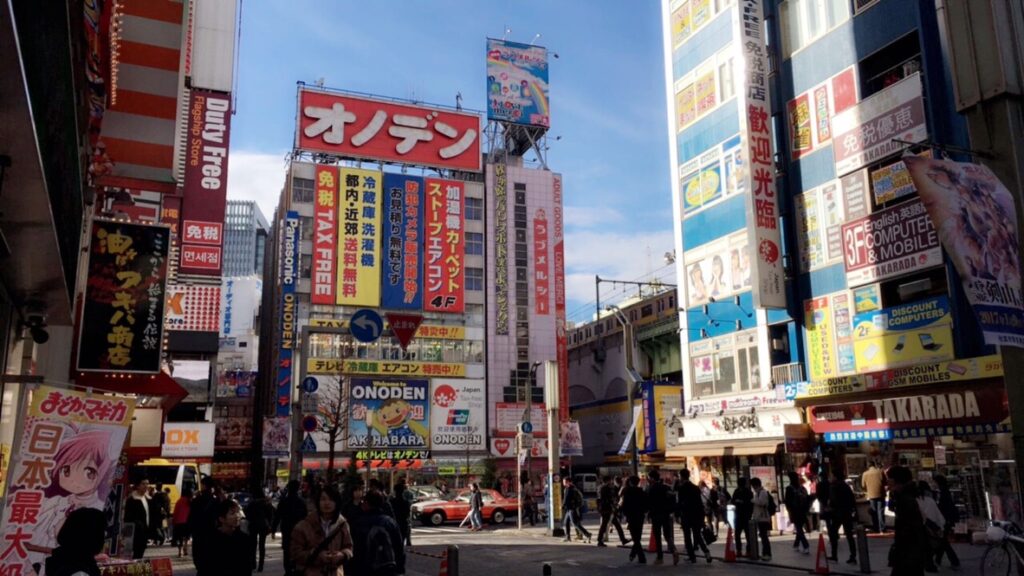
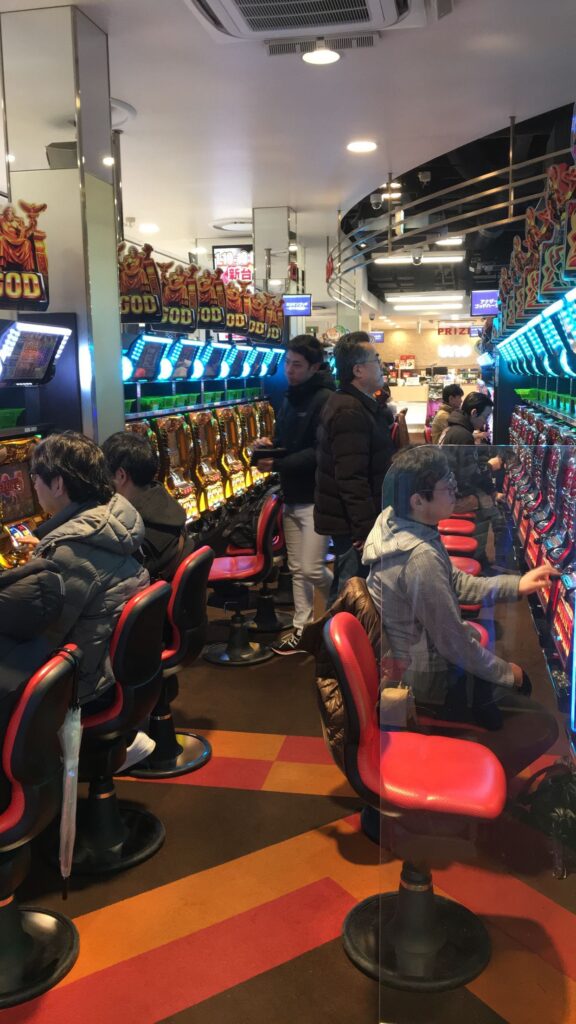
Later in the trip, we tried to catch a sumo match, but couldn’t get tickets. That’s one I’ll have to come back for. Instead, we spent time wandering around Akihabara, which is pretty much sensory overload in the best way possible. Lights, sounds, arcades, shops—it feels like a different version of a city you thought you already understood.
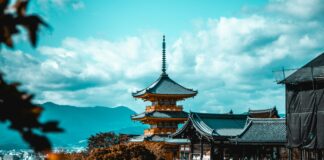
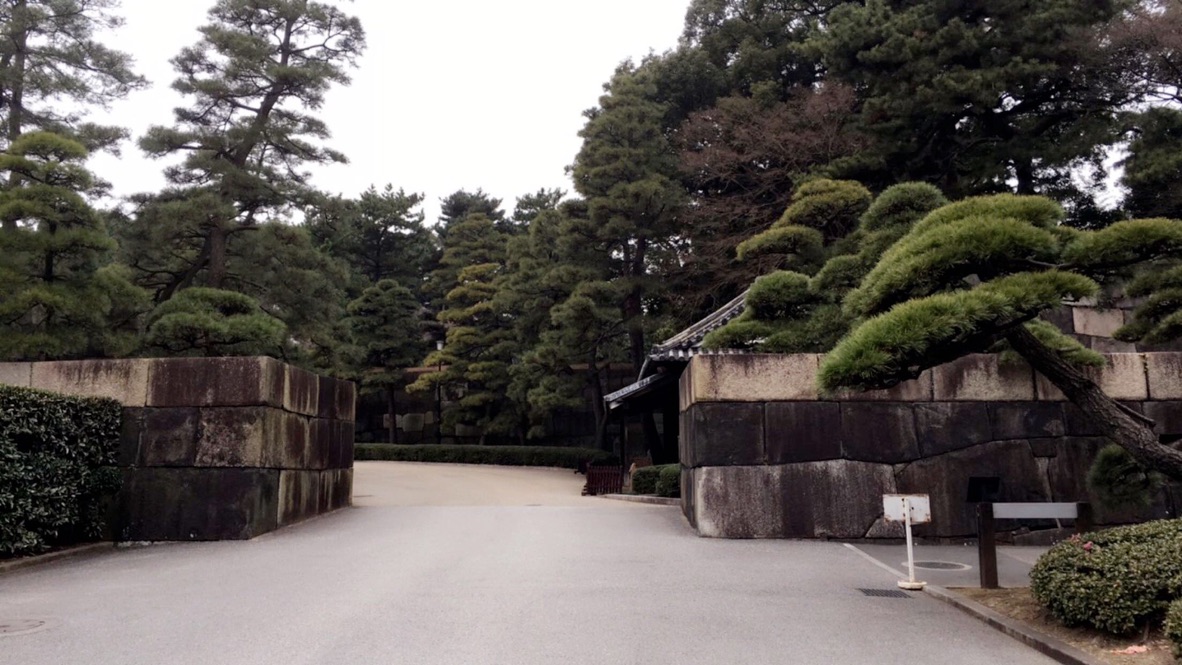
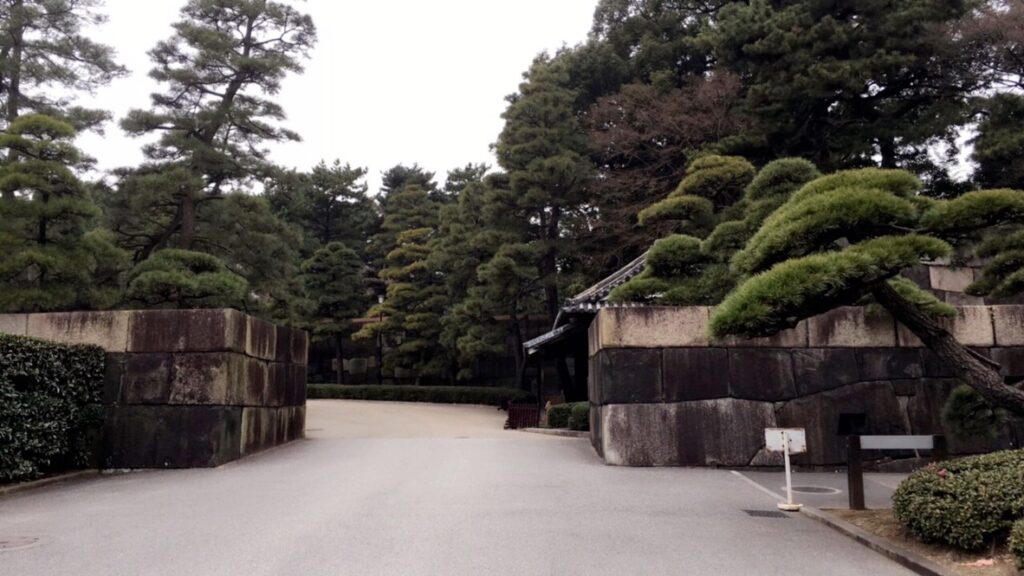
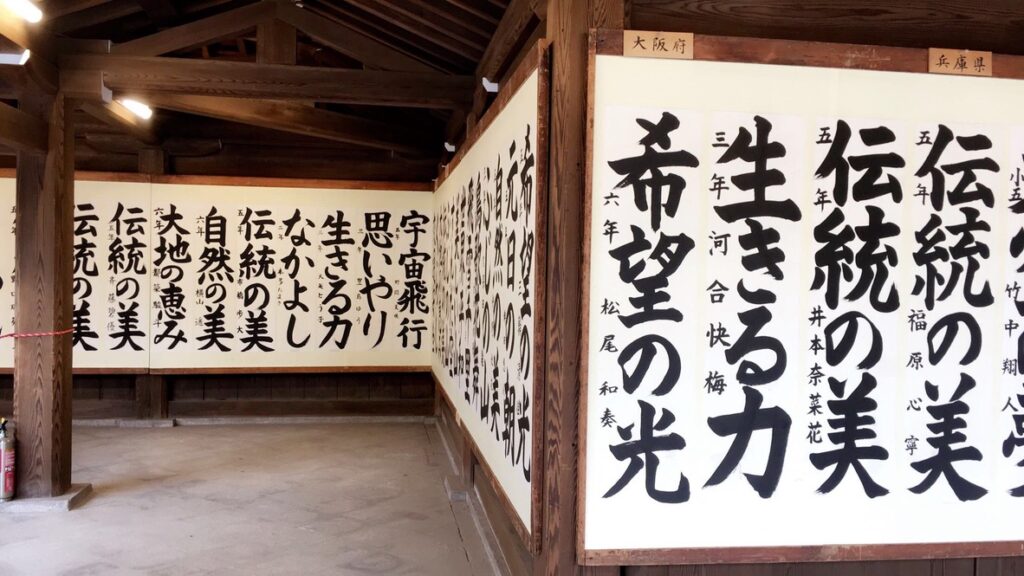
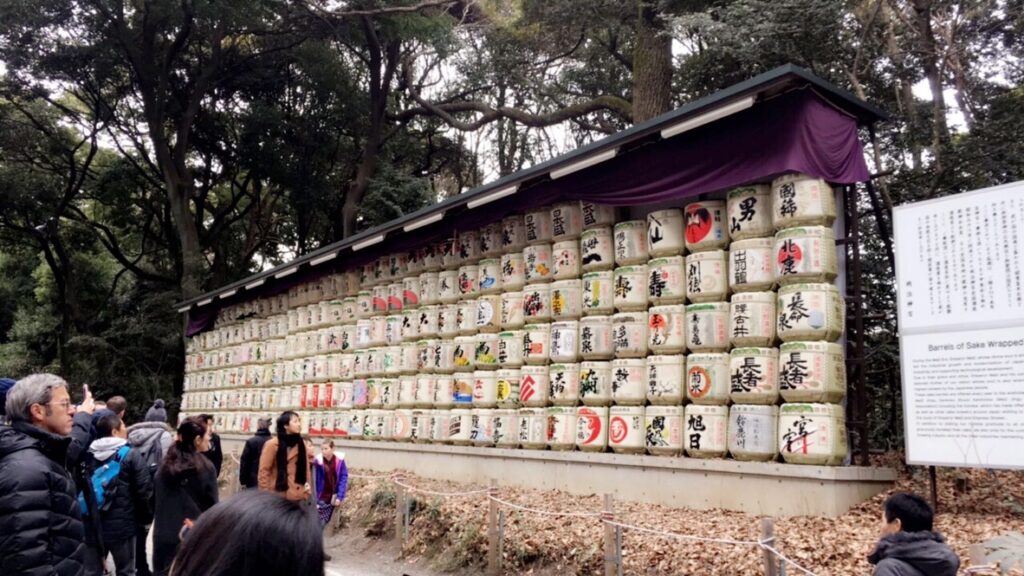
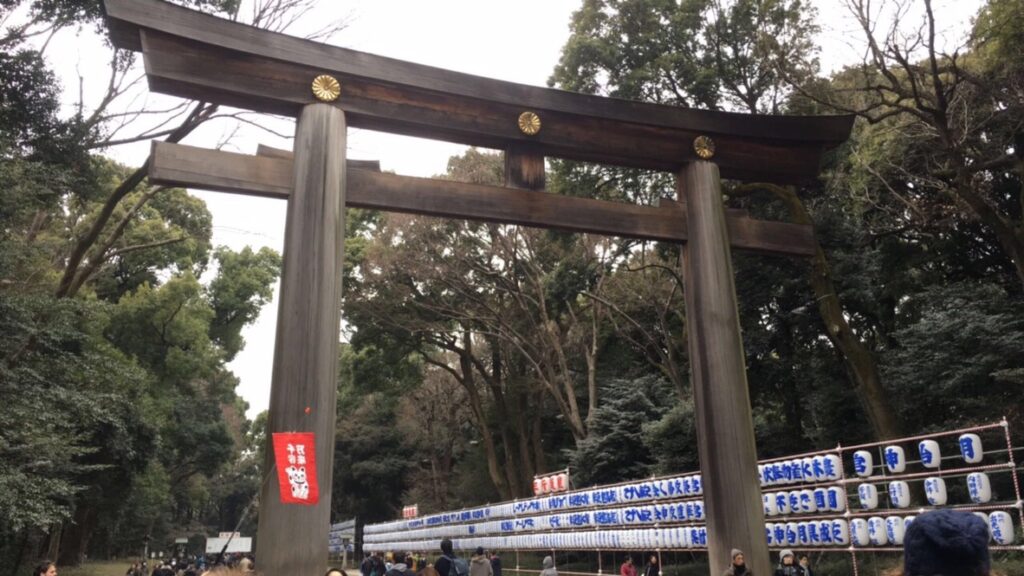
From there, we slowed things down with visits to shrines and gardens. Those spaces are completely different from the rest of Tokyo. Quiet, balanced, almost untouched by the chaos around them. You can feel the contrast immediately, and it resets you.
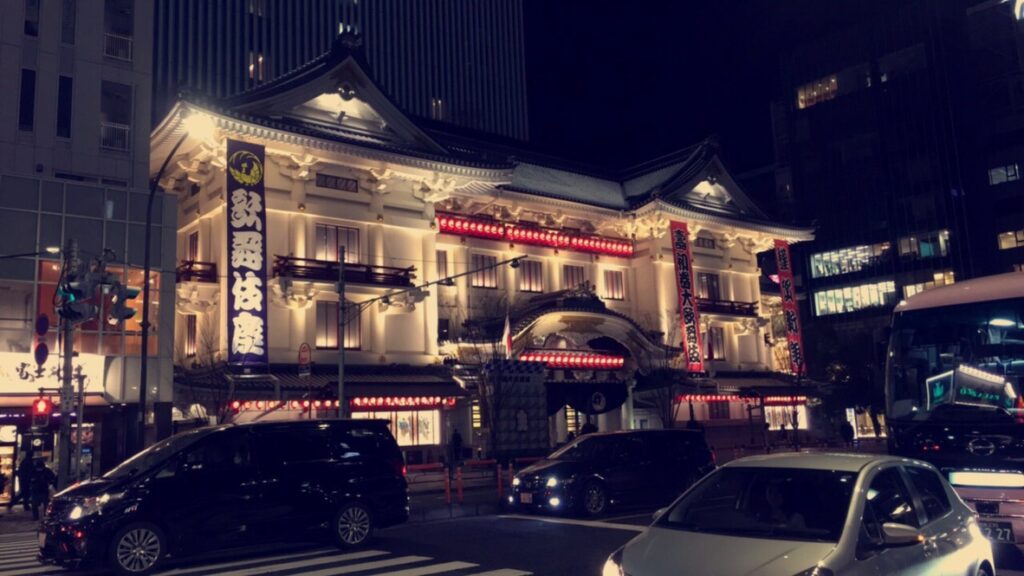
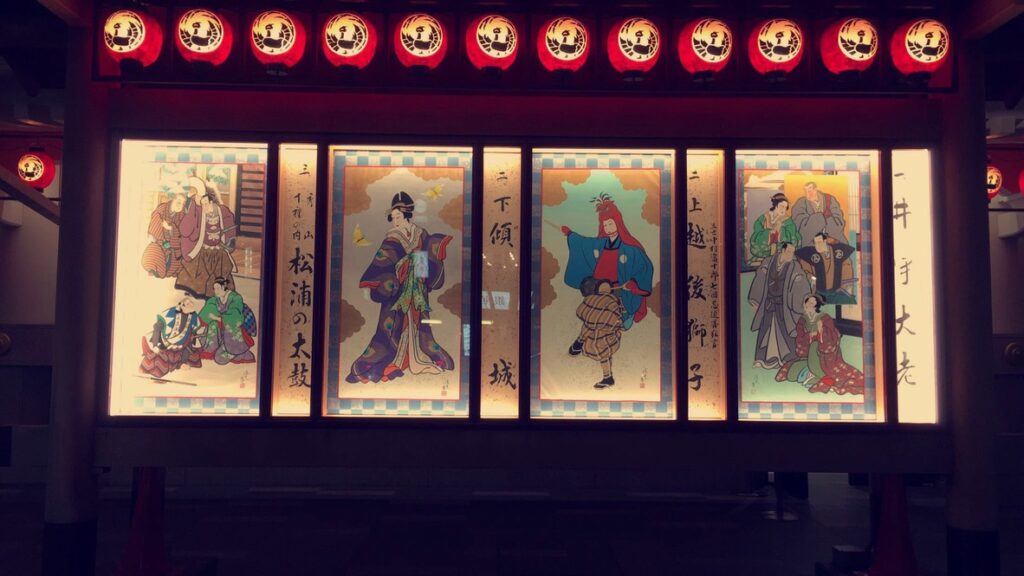
On our last night, we went to a Kabuki performance.
It’s hard to fully describe if you’ve never seen it. The movements, the music, the pacing—it’s all deliberate. You’re pulled into it without really understanding everything that’s happening. You just kind of let it happen. No photos, no distractions—just watching.
It felt like the right way to end the trip.
Looking back, I don’t think I could’ve planned a better way to spend my 21st birthday. Not everything went perfectly. There were moments of confusion, frustration, things I’d do differently next time.
But that’s part of it.
If anything, that’s what made it memorable.
And I already know—next time, I’m coming back for that sumo match.